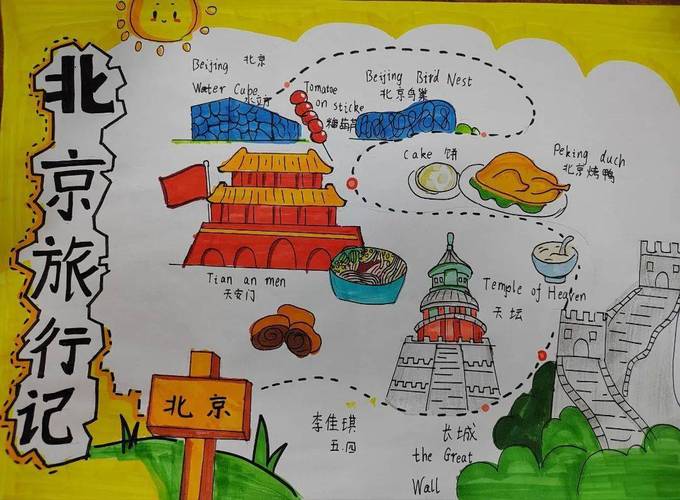


Of course! Here is an introduction to Beijing's most famous attractions, organized by category for clarity. You can use this for a presentation, a travel guide, or personal reference.
An Introduction to Beijing's Top Attractions
Beijing, the capital of China, is a city where ancient history and modernity collide. With over 3,000 years of history, it served as the political and cultural heart of China for several dynasties. Today, it's a sprawling metropolis that seamlessly blends imperial grandeur with cutting-edge architecture. Here are some of its must-see attractions.
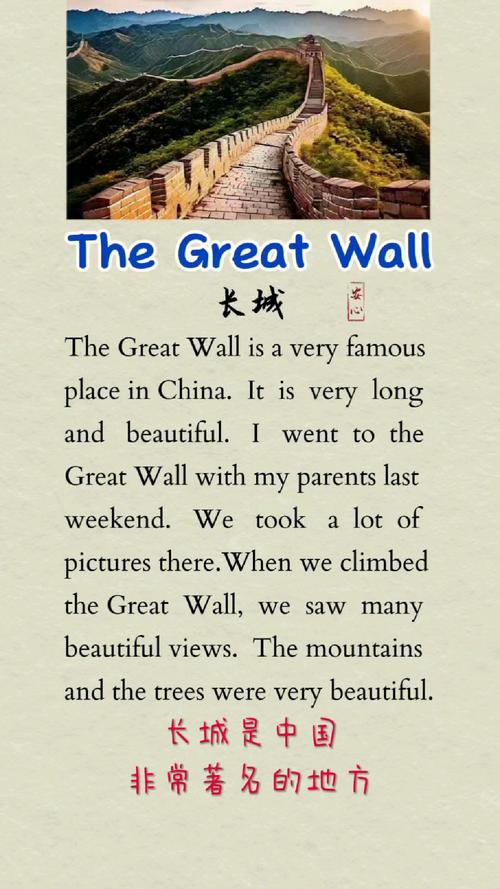
The Great Wall of China (长城)
No trip to Beijing is complete without seeing the Great Wall. It's one of the most iconic man-made structures in the world and a UNESCO World Heritage Site.
- Description: A colossal system of fortifications stretching thousands of kilometers across northern China. Built over many centuries, its primary purpose was to protect Chinese states from invasions.
- Key Sections near Beijing:
- Badaling (八达岭): The most famous and well-restored section. It's easily accessible by public transport and offers stunning, panoramic views. However, it can be very crowded.
- Mutianyu (慕田峪): A more scenic and less crowded alternative to Badaling. It features unique watchtowers and is a great spot for hiking or taking a cable car or toboggan down the wall.
- Jinshanling (金山岭): Perfect for adventurous travelers. This section is known for its wild, unrestored state and beautiful, rugged landscapes.
- Why Visit: To walk on a piece of history and experience the sheer scale and ambition of ancient Chinese engineering.
The Forbidden City (故宫)
Located in the heart of Beijing, the Forbidden City, also known as the Palace Museum, was the imperial palace for two dynasties, the Ming and Qing, for nearly 500 years.
- Description: A vast complex of 980 buildings with 8,886 rooms. It was the home of the emperors and their households, as well as the ceremonial and political center of the Chinese government. The name "Forbidden City" reflects that entry was forbidden to anyone without the emperor's permission.
- Highlights:
- Hall of Supreme Harmony (太和殿): The largest and most important hall, where the emperor held grand ceremonies and enthroned new rulers.
- Imperial Garden (御花园): A beautiful, tranquil garden with ancient trees, pavilions, and rockeries, offering a peaceful escape from the main complex.
- The Architecture: Marvel at the yellow roof tiles (a color reserved for the emperor), red walls (symbolizing good fortune), and intricate dragon motifs.
- Why Visit: To immerse yourself in the opulence and power of imperial China. It's a journey through centuries of Chinese history and art.
Tiananmen Square (天安门广场)
One of the largest public squares in the world, Tiananmen Square is a site of immense historical and political significance.
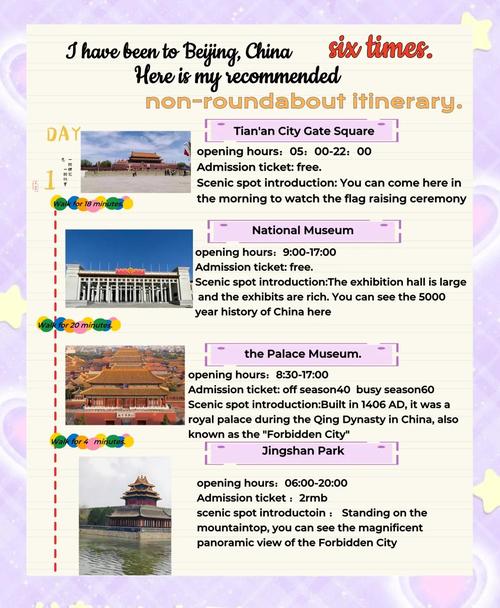
- Description: A massive plaza flanked by important political and cultural buildings. It has been the setting for many key events in modern Chinese history.
- Key Landmarks around the Square:
- Tiananmen Gate (天安门): The famous gate with the portrait of Mao Zedong, leading into the Forbidden City.
- Monument to the People's Heroes (人民英雄纪念碑): A tall obelisk honoring revolutionary martyrs.
- Mausoleum of Mao Zedong (毛主席纪念堂): The final resting place of the founding father of the People's Republic of China.
- The Great Hall of the People (人民大会堂): China's parliament building.
- Why Visit: To witness the heart of modern China and feel the historical weight of this monumental public space.
The Summer Palace (颐和园)
A masterpiece of Chinese landscape garden design, the Summer Palace was a royal retreat for emperors to escape the summer heat of the Forbidden City.
- Description: A vast ensemble of lakes, gardens, and palaces. It is renowned for its harmonious integration with natural scenery, particularly the Kunming Lake and Longevity Hill.
- Highlights:
- Kunming Lake (昆明湖): A huge man-made lake where you can take a boat ride or stroll along the beautiful Marble Boat (a marble replica of a Chinese-style boat).
- Long Corridor (长廊): A covered walkway stretching over 700 meters, featuring thousands of painted scenes from Chinese history and literature.
- The Tower of Buddhist Incense (佛香阁): A majestic pagoda perched atop Longevity Hill, offering the best panoramic view of the entire palace.
- Why Visit: To experience the serene beauty and imperial leisure of classical Chinese garden design.
Temple of Heaven (天坛)
The Temple of Heaven is a complex of religious buildings where emperors of the Ming and Qing dynasties performed annual ceremonies to pray for good harvests.
- Description: The most famous structure is the Hall of Prayer for Good Harvests (祈年殿), a magnificent wooden structure with no nails, supported entirely by its pillars and intricate brackets.
- Highlights:
- Echo Wall (回音壁): A circular wall that cleverly transmits sound over long distances, allowing people at opposite ends to whisper to each other.
- The Imperial Vault of Heaven (皇穹宇): A smaller, circular building that once held the stone tablets of the gods.
- The Park: The complex is set in a large public park, where you can see locals practicing tai chi, dancing, and playing instruments, offering a glimpse into contemporary Chinese life.
- Why Visit: To admire the stunning Ming Dynasty architecture and experience a living piece of Chinese cultural heritage.
Modern & Cultural Attractions
Beijing isn't just about the past. It also boasts vibrant modern and cultural scenes.
- 798 Art District (798艺术区): A former military factory complex that has been transformed into a thriving hub for contemporary art galleries, design studios, trendy cafes, and boutiques.
- Hutongs (胡同): These are narrow, ancient alleyways that form the traditional heart of old Beijing. Exploring them by foot or on a rickshaw is the best way to see traditional courtyard residences (siheyuan) and experience the local, slower-paced life.
- National Centre for the Performing Arts (国家大剧院): Nicknamed "The Giant Egg," this stunning modern opera house is an architectural marvel, located just west of Tiananmen Square.
In summary, Beijing offers a unique journey through time. From the majestic Great Wall to the imperial splendor of the Forbidden City, and from the serene Summer Palace to the pulse of its modern art scene, the city provides an unforgettable experience for every traveler.