

Of course! Here is a comprehensive introduction to Yixing Zisha teapots in English, structured for clarity and covering all the essential points. It's suitable for a general audience, potential buyers, or anyone interested in Chinese culture.
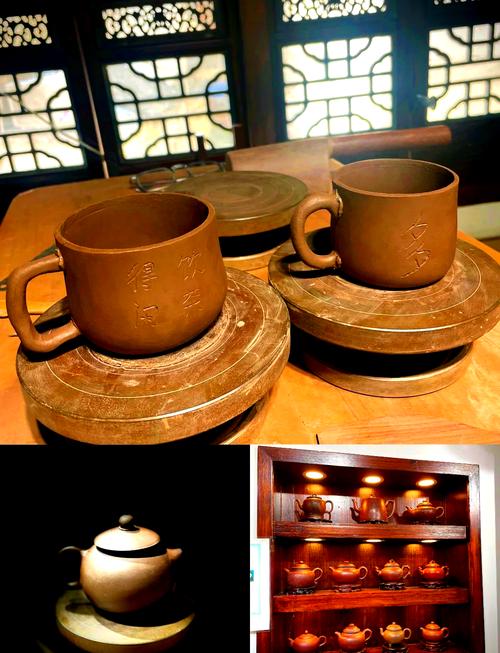
An Introduction to Yixing Zisha Teapots (宜兴紫砂壶)
Yixing Zisha teapots, often hailed as the "best vessel for brewing tea," are a cornerstone of Chinese tea culture and a pinnacle of ceramic art. Hailing from the town of Dingshu in Yixing, Jiangsu province, these teapots are renowned not only for their unique functionality but also for their deep artistic heritage and subtle beauty.
What is Zisha? The "Purple Sand Clay"
The magic of a Yixing teapot begins with its raw material: Zisha, or "purple sand clay." This is not a single type of clay but a family of five distinct types, each with its own mineral composition and characteristics:
- Zhusha (朱砂 - Vermilion Clay): The most famous type, ranging from light yellowish-brown to deep red. It is rich in iron oxide, giving it a warm, earthy color and excellent porosity.
- Duanisha (段泥 - Segment Clay): A blend of Zhusha and other clays, resulting in a light, creamy, or speckled beige color.
- Lüni (绿泥 - Green Clay): A rare, sandy clay that fires to a pale yellow or light green color.
- Heida (黑泥 - Black Clay): A dense, fine clay that becomes a deep, lustrous black after firing.
- Bensha (本山 - Original Mountain Clay): The local term for the primary Zhusha clay.
A key feature of Zisha clay is its natural porosity. When fired at a relatively low temperature (around 1100-1200°C), the clay particles remain slightly porous, creating a micro-structure that allows the teapot to "breathe."
The Art of "Yixing Making" (宜兴手工)
Authentic Yixing teapots are exclusively handcrafted, a tradition that dates back to the Song Dynasty (960–1279) but reached its zenith during the Ming Dynasty (1368–1644). The process is intricate and demands immense skill:
- Mining and Processing: The raw clay is mined, weathered, and refined through a complex process of pounding, sieving, and soaking in water to remove impurities.
- Beating and Shaping: The refined clay is beaten on a hard surface to remove air bubbles and achieve the right consistency. This "beaten clay" (捶泥) is then shaped by hand using a traditional technique called "hand-coiling" (打身筒) or "slab-building" (镶身筒). Unlike throwing on a potter's wheel, the clay is built up layer by layer, allowing for great control and precision.
- Assembly: The body of the teapot is assembled with its spout, handle, and lid. The fitting of the lid is particularly crucial, requiring a perfect seal that allows the lid to be revolved without falling off.
- Finishing: The surface is meticulously scraped and polished with a traditional tool called a "duck's tongue knife" (牛角片) to create a smooth, subtle sheen.
- Firing: The finished teapot is fired in a kiln. The final color and texture depend on the specific clay used and the kiln's atmosphere. Firing is a delicate process, as even slight temperature variations can affect the outcome.
Functionality: "Enhancing the Tea's Flavor" (养壶)
The primary function of a Yixing teapot is to enhance the taste of tea. Its porosity is the key:
- Breathing and Absorption: As you brew tea, the porous walls of the teapot absorb the oils and flavor compounds from the tea leaves.
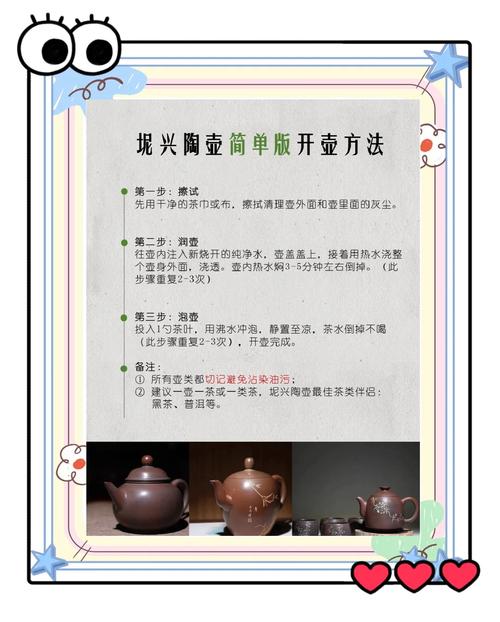
- Seasoning (养壶 - Yang Hu): Over time, with repeated use, the teapot becomes "seasoned." It gradually changes in color, developing a rich, deep patina from the inside out. The flavor of the tea brewed in a well-seasoned pot becomes smoother, more mellow, and more complex, as the teapot itself contributes to the infusion.
- Retaining Heat: Zisha clay has excellent thermal stability. It heats up evenly and retains heat well, allowing the tea to steep at a consistent temperature, which is essential for extracting the full flavor of high-quality tea.
Because of this absorption effect, it is a strict rule in tea culture to use a Yixing teapot for only one type of tea (e.g., one for oolong, one for pu-erh). This prevents the mixing of flavors.
Artistic Value: More Than a Teapot
Yixing teapots are celebrated as miniature sculptures. Their value is determined by several artistic factors:
- Shape (形): Teapots come in a vast array of shapes, broadly categorized into two styles:
- Geometric Shapes (光器): Simple, symmetrical forms like spheres, cubes, and cylinders, celebrated for their perfect proportions and clean lines.
- Imitative Shapes (花器): Pots shaped like natural objects—fruits, vegetables, animals, or even landscapes. These are highly detailed and often whimsical.
- Craftsmanship (工): The quality of the execution is paramount. This includes the sharpness of the lines, the smoothness of the surface, the balance between the body, spout, and handle, and the perfect fit of the lid.
- Clay Quality (泥): The rarity, color, and texture of the Zisha clay significantly impact the teapot's value and aesthetic.
- Engravings (款): Many master craftsmen sign their work or have their seals carved onto the teapot, adding to its collectibility.
A Living Heritage
Yixing Zisha teapots are far more than just utensils; they are a symbol of Chinese aesthetics, philosophy, and the intimate connection between art and daily life. Owning and using a Yixing teapot is a practice of patience and appreciation, watching it transform with each brew into a unique, personal work of art.
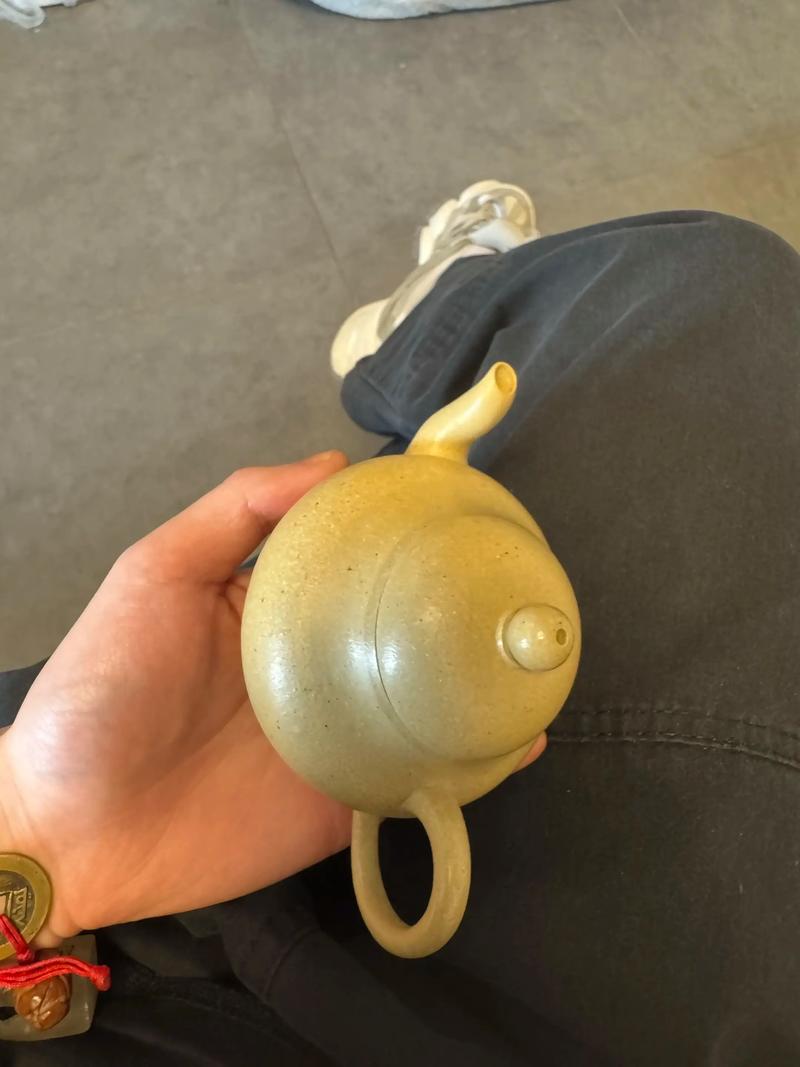
Today, Yixing teapots are cherished by tea connoisseurs, collectors, and artists worldwide, representing a perfect fusion of utility, beauty, and cultural history.